On September 24, 2026, a California federal judge dismissed the remaining counterclaims brought by Big Sipz maker Patco Brands against rival BuzzBallz. The ruling concerns two Big Sipz domain names and alleged unfair competition. It does not decide whether Big Sipz packaging infringes BuzzBallz trademarks or trade dress. For a company preparing a product launch, the immediate lesson is practical: coordinate trademark filings, domain reservations, and proof of market use before a name becomes public. Read the court order.
What the BuzzBallz–Big Sipz ruling actually decided
The dispute began with BuzzBallz accusing Patco of marketing its Big Sipz ready-to-drink cocktails in a way that could confuse buyers. Patco responded with counterclaims. The September order resolved Patco's two remaining counterclaims: one under the federal Anticybersquatting Consumer Protection Act (ACPA) and one under California's Unfair Competition Law. The court granted summary judgment to BuzzBallz and dismissed those counterclaims with prejudice. Coverage from Law360 and Brewbound independently reported the development.
That is a procedural and substantive win for BuzzBallz on the counterclaims, not a final ruling on every trademark, trade-dress, patent, or competition issue between the businesses. In particular, the order recounts BuzzBallz's allegation that Big Sipz was designed to confuse consumers; it does not turn that allegation into a judicial finding. Readers should check the current docket before assuming the broader case has ended.
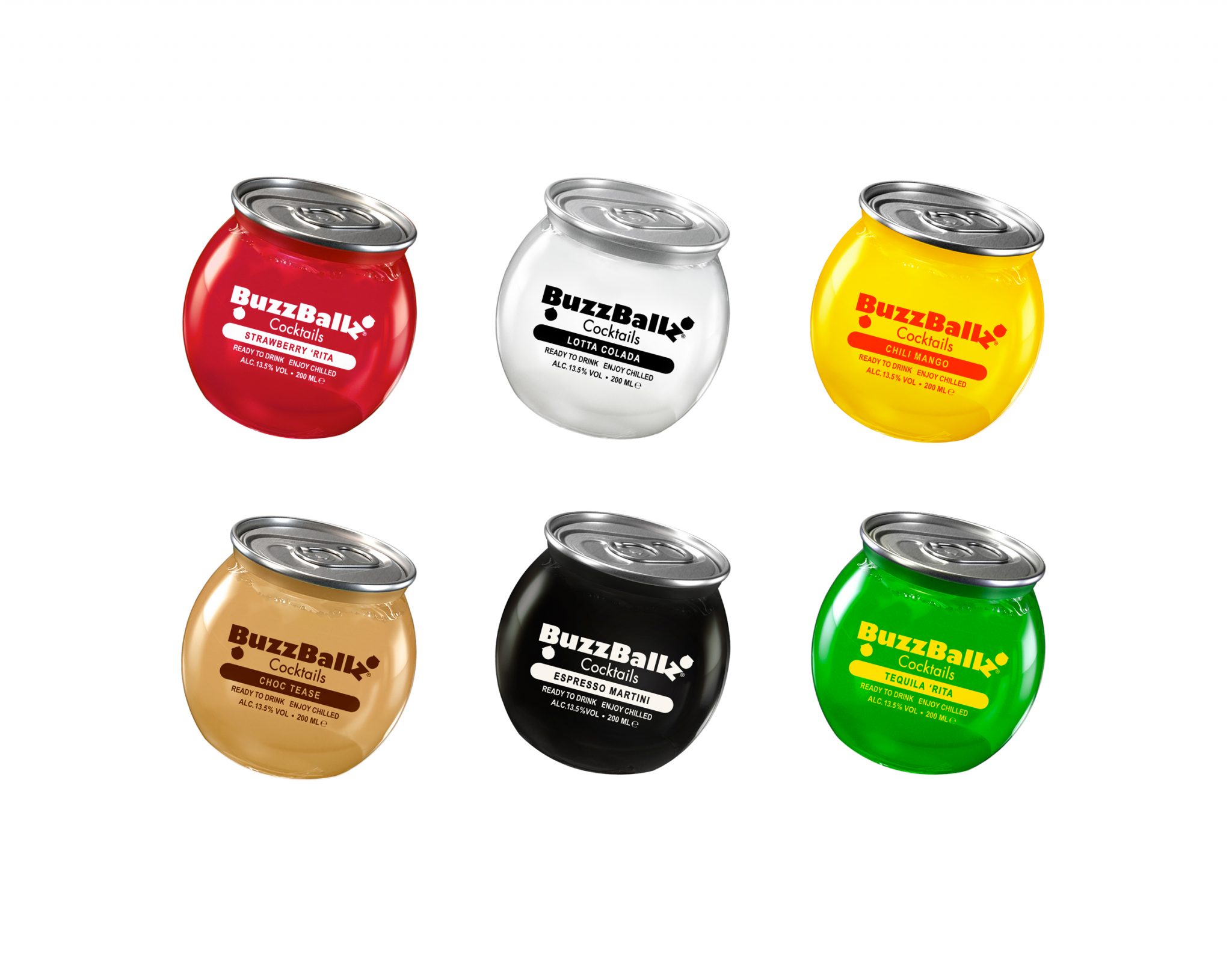
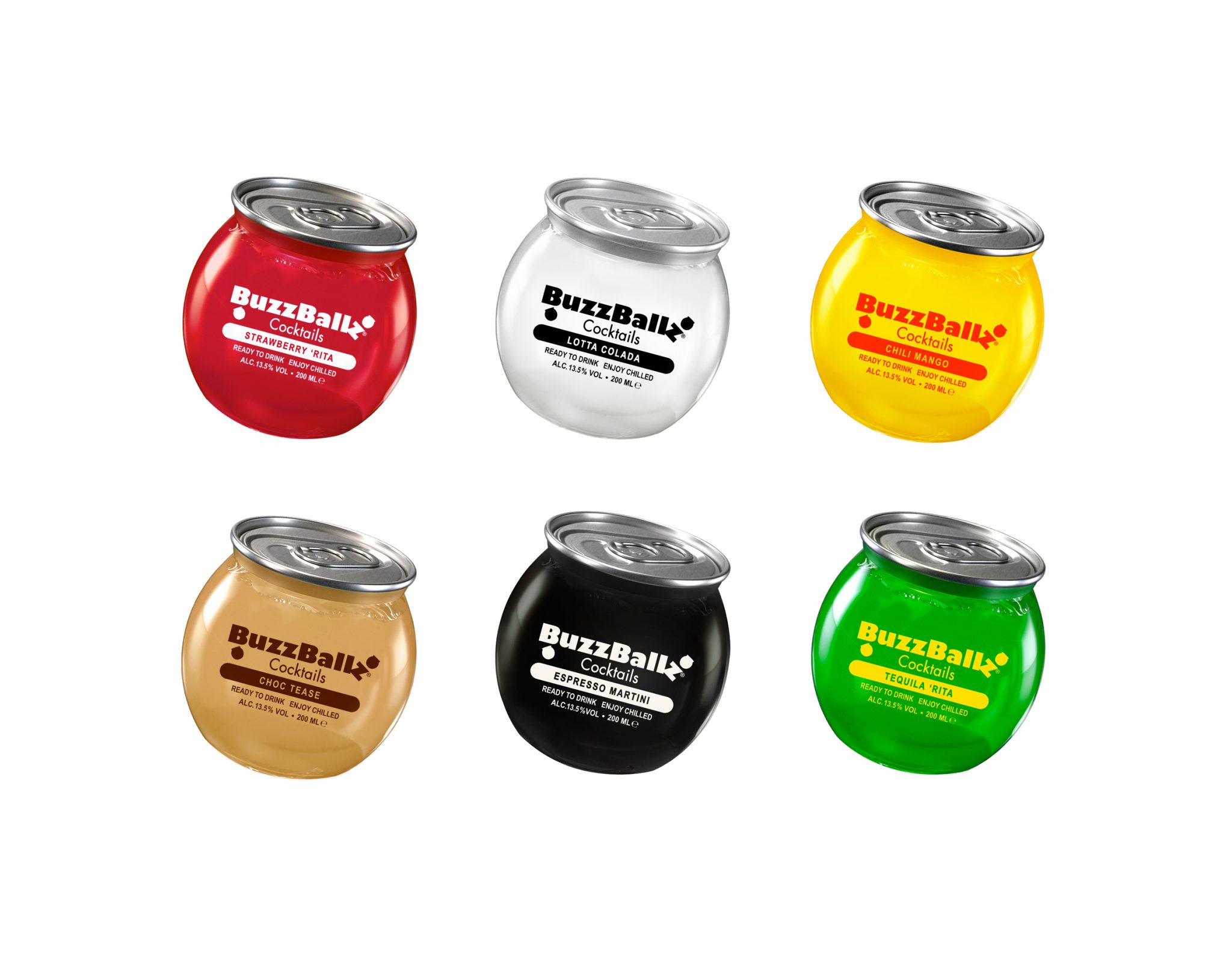
Earlier BuzzBallz product range press image. Illustrative brand image, not an exhibit identified by this ruling.
Why the domain-name claim failed
Patco filed a US intent-to-use application for BIG SIPZ on December 20, 2021. An unknown party registered bigsipz.com three days later. In April 2022, BuzzBallz acquired that domain, registered bigsipzcocktails.com, and directed traffic from both to its own site. It transferred both names to Patco at no charge in May 2022. These dates matter because the ACPA asks whether the asserted mark was distinctive when the domains were registered. The order sets out the timeline and evidence.
Patco argued that its eventual March 2023 registration should establish distinctiveness back at the December 2021 intent-to-use filing. The judge rejected that approach for this ACPA claim. An intent-to-use filing can provide a constructive priority date if the mark ultimately registers, but the court said that does not make a later registration's presumption of distinctiveness retroactive to an earlier domain-registration date. The court also found insufficient evidence that BIG SIPZ had become distinctive through actual market activity by April 2022.
The record described limited prelaunch material, no relevant brand or advertising spend until September 2022, and a first distributor purchase order in November 2022. On those facts, the court held that no reasonable jury could find the mark distinctive during BuzzBallz's brief ownership of the domains. Because that point disposed of the cybersquatting claim, the judge did not resolve the other defenses to that claim. This is a fact-specific ruling; it does not make taking a rival's domain a safe tactic.
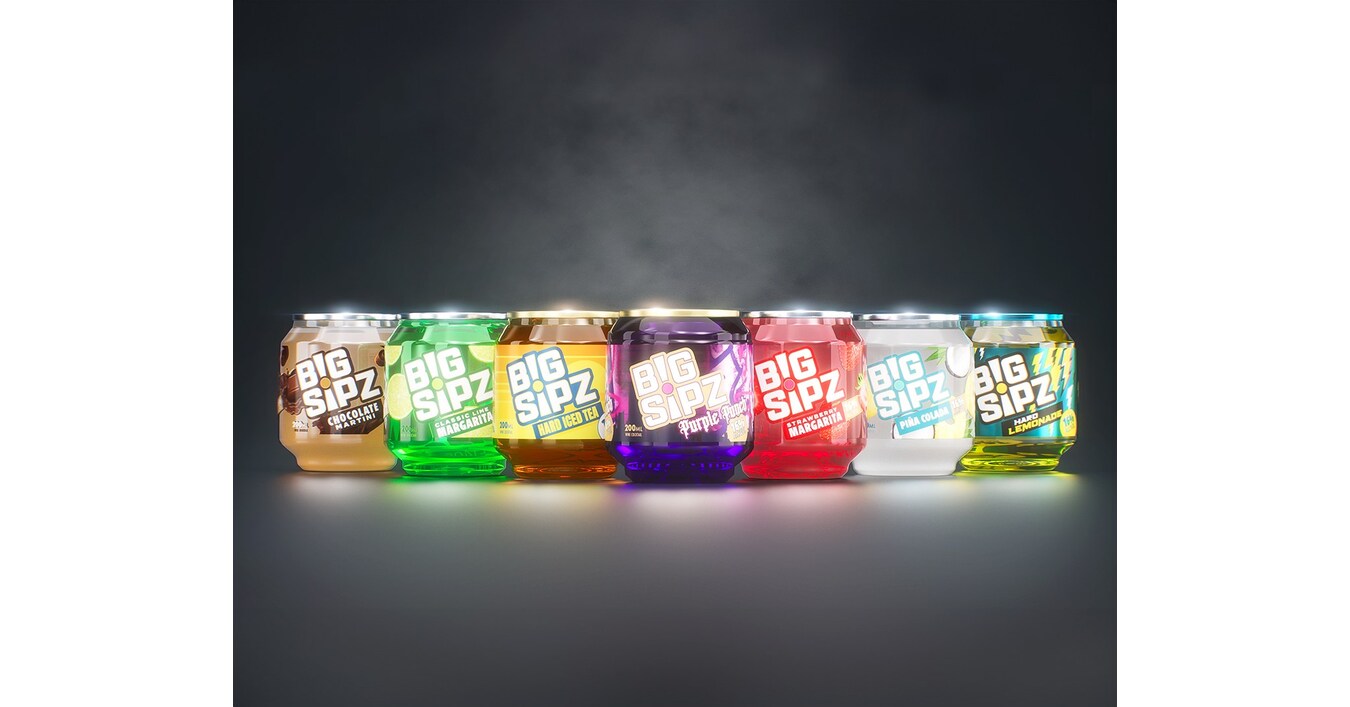
Big Sipz product image distributed with a brand press release. Illustrative packaging, not a finding that any pictured item infringes.
The separate unfair-competition issue
Patco also challenged the domain episode, BuzzBallz's patent and litigation activity, and alleged pressure on distributors and retailers under California's Unfair Competition Law. The judge found no triable evidence of public deception or material market harm from the short-lived domain redirects. The court also found the record insufficient to support the remaining theories, including evidence of market-wide foreclosure. Some conduct was protected by the Noerr–Pennington doctrine because Patco did not establish the required sham-litigation exception on this record.
That analysis should not be reduced to “all competitor pressure is lawful.” The decision turned on the evidence presented, the legal theory pleaded, and what the court could decide at summary judgment. For brand owners, a suspicion of unfair tactics needs a documentary trail connecting conduct to lost customers, blocked distribution, or other legally relevant harm.
What founders and brand managers can verify now
- Reserve the obvious domains before announcing the mark. Check the primary name, common spelling variants, and priority country domains before an intent-to-use filing becomes visible. Keep a dated record of the registrations and who controls them.
- Clear the name by market and product. Search trademark registers, marketplaces, company names, and online use in every planned launch market. A US filing does not itself secure equivalent rights in the UK, EU, Japan, or China.
- Keep proof of launch and recognition. Archive dated packaging, ads, purchase orders, distributor presentations actually delivered, sales records, traffic, and customer feedback. A draft deck alone may prove less than a business expects.
- Separate domain, word-mark, and packaging questions. A domain dispute may turn on a date-specific ACPA requirement, while trade-dress or infringement questions require different evidence about source identification, similarity, and consumer confusion.
- Check the present record before acting. Review the court docket and the relevant trademark register; preserve any suspicious redirects or marketplace listings. Seek local counsel for a live dispute or a launch with substantial cross-border exposure.
The USPTO's intent-to-use guidance confirms that a good-faith application may be filed before use, but registration requires a later allegation of use. The Big Sipz order shows why that filing step should sit inside a broader launch plan. Sologo's Global IP Service Network can help founders coordinate trademark clearance and protection across target markets; start with Sologo to map the jurisdictions, goods, and brand assets that need review. This article explains a public decision and general planning steps, not legal advice on a particular dispute.